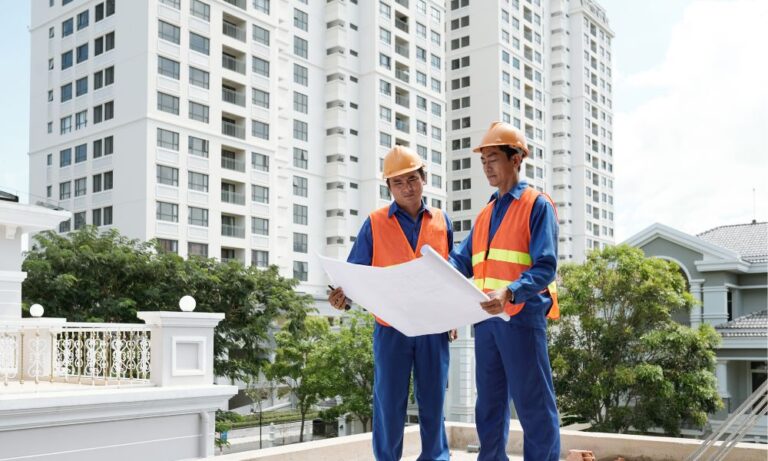
Infrastructure development in India is entering a transformative phase in 2026, driven by rapid urbanization, technological innovation, and strong government investment. The demand for infrastructure development services in India, including construction, logistics, and transportation, is growing across metro cities and emerging Tier 2 and Tier 3 regions.
With large-scale investments and strategic initiatives, infrastructure development in India is becoming a key driver of economic growth, real estate expansion, and industrial development. The government’s focus on connectivity, smart cities, and sustainable infrastructure is reshaping how construction and logistics services operate across India.
Overview of Infrastructure Development in India
Infrastructure development in India includes multiple sectors such as:
- Roads and highways
- Railways and metro systems
- Airports and aviation
- Logistics and transportation networks
- Urban infrastructure and smart cities
India’s infrastructure sector is growing rapidly due to increasing population, urban expansion, and government initiatives. Strong public capital expenditure and investment are supporting this growth in 2026.
Additionally, large-scale infrastructure investments and policy reforms are creating new opportunities for construction services in India and logistics services in India.
Key Infrastructure Development Trends in India 2026
1. Infrastructure-Led Economic Growth
Infrastructure is no longer just a support system—it is a major growth driver for the Indian economy. The Union Budget 2026 emphasizes infrastructure as a core strategy for long-term development and real estate expansion.
Government initiatives such as capital expenditure and infrastructure spending are boosting:
- Construction services in India
- Real estate growth
- Industrial development
- Employment generation
Infrastructure development is now directly linked to economic stability and long-term growth.
2. Expansion in Tier 2 and Tier 3 Cities
Infrastructure development in India is expanding beyond metro cities. The focus is now on:
- Tier 2 and Tier 3 city development
- Industrial corridor expansion
- Regional connectivity improvement
Budget 2026 highlights strong investment in connecting smaller cities and developing them as economic hubs.
This trend is increasing demand for:
- Residential construction services
- Commercial construction services
- Logistics and transportation services
3. Smart Infrastructure and Digital Technologies
Technology is transforming infrastructure development in India. Modern projects are using:
- Artificial Intelligence (AI)
- Building Information Modeling (BIM)
- Internet of Things (IoT)
- Digital twin technology
These technologies improve project efficiency, reduce costs, and enhance safety.
Smart infrastructure development ensures:
- Faster project completion
- Better resource management
- Improved construction quality
4. Sustainable and Green Infrastructure
Sustainability is becoming a major focus in infrastructure development in India. Key trends include:
- Use of eco-friendly construction materials
- Renewable energy integration
- Green building certifications
- Energy-efficient infrastructure
The adoption of sustainable practices is increasing across construction and infrastructure sectors.
Green infrastructure helps reduce environmental impact and supports long-term sustainability.
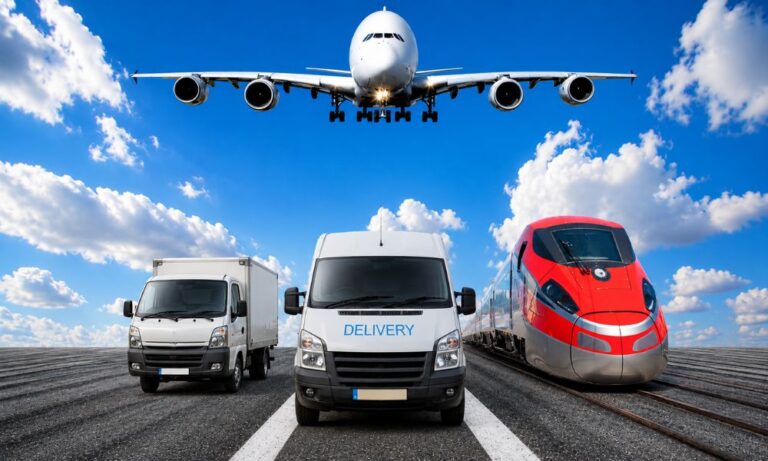
5. Growth of Transportation and Logistics Infrastructure
Transportation and logistics are critical components of infrastructure development in India.
Key developments include:
- High-speed rail corridors
- Dedicated freight corridors
- Expansion of highways and expressways
- Growth in air freight and logistics networks
Budget 2026 highlights major investments in rail, road, and air connectivity to improve logistics efficiency.
This growth is increasing demand for:
- Road transportation services
- Air freight services
- Railway logistics services
6. Public-Private Partnerships (PPP Model)
Public-Private Partnerships (PPP) are playing a major role in infrastructure development in India.
PPP models help:
- Reduce financial burden on the government
- Improve project efficiency
- Encourage private sector participation
Infrastructure projects in India are increasingly being executed through PPP models to ensure faster development and better resource utilization.
7. Mega Infrastructure Projects in India
India is witnessing large-scale infrastructure projects, including:
- Expressways and highways
- Smart cities
- Industrial corridors
- Airports and ports
The National Infrastructure Pipeline includes over 13,000 projects with massive investment potential.
These projects are creating significant opportunities for:
- Construction companies in India
- Infrastructure service providers
- Logistics companies
8. Focus on Resilient Infrastructure
Infrastructure development in India is now focusing on resilience and durability.
Key aspects include:
- Disaster-resistant construction
- Climate-resilient infrastructure
- Long-lasting materials and design
Resilient infrastructure ensures safety and long-term performance in changing environmental conditions.
Role of Construction Services in Infrastructure Development
Construction services are the backbone of infrastructure development in India.
Key Construction Services
- Residential construction services
- Commercial construction services
- Industrial construction services
- Infrastructure construction services
Professional construction services ensure:
- Quality materials
- Skilled execution
- Timely project delivery
Role of Logistics Services in Infrastructure Development
Logistics services play a critical role in infrastructure development in India.
Key Logistics Services
- Road transportation services
- Air freight services
- Railway logistics services
Efficient logistics ensures:
- Smooth material transportation
- Timely project completion
- Cost optimization
Challenges in Infrastructure Development in India
Despite rapid growth, infrastructure development in India faces several challenges:
1. Land Acquisition Issues
Land acquisition delays slow down infrastructure projects.
2. Regulatory Approvals
Multiple approvals increase project timelines.
3. Financing Challenges
Large projects require significant investment.
4. Skilled Workforce Shortage
Lack of skilled labor affects construction quality.
5. Environmental Concerns
Balancing development with sustainability is crucial.
Opportunities in Infrastructure Development in India
Infrastructure development in India offers huge opportunities:
- Growing demand for construction services
- Expansion of logistics services
- Investment opportunities in real estate
- Job creation in construction and infrastructure
India’s infrastructure sector is expected to remain one of the fastest-growing industries.
Future of Infrastructure Development in India
The future of infrastructure development in India looks promising with:
- Increased government investment
- Advanced technology adoption
- Sustainable construction practices
- Expansion of smart cities
Infrastructure will continue to be a key driver of India’s economic growth and development.